Discover Cutting-edge Devices Created for the Aesthetically Damaged
The development of cutting-edge devices for the aesthetically damaged represents a considerable innovation in accessibility and freedom. Technologies such as smart glasses with AI capacities and mobile applications developed to offer acoustic descriptions are reshaping day-to-day experiences for individuals.
Smart Glasses for Navigation

Smart glasses developed for navigation are revolutionizing the means aesthetically damaged people interact with their atmosphere. These sophisticated tools utilize a mix of electronic camera innovation, artificial intelligence, and auditory feedback to provide real-time information regarding environments. By utilizing barrier discovery systems, smart glasses can signal customers to possible risks, enabling more secure flexibility in both strange and familiar settings.
The combination of GPS modern technology better boosts navigating abilities, permitting customers to get auditory instructions as they relocate. This hands-free technique not only promotes independence however additionally equips visually damaged people to navigate urban landscapes with boosted self-confidence. Additionally, many wise glasses are furnished with attributes that recognize landmarks and road indicators, supplying contextual details that improves the individual experience.
Additionally, the development of these gadgets is constantly progressing, with companies functioning to enhance the precision of things acknowledgment and increase the series of navigational features. As clever glasses come to be more budget-friendly and accessible, they hold the possible to dramatically change day-to-day life for visually damaged customers. Ultimately, these innovative devices stand for an important action toward inclusivity, offering enhanced movement and a higher sense of autonomy for individuals browsing the world around them.
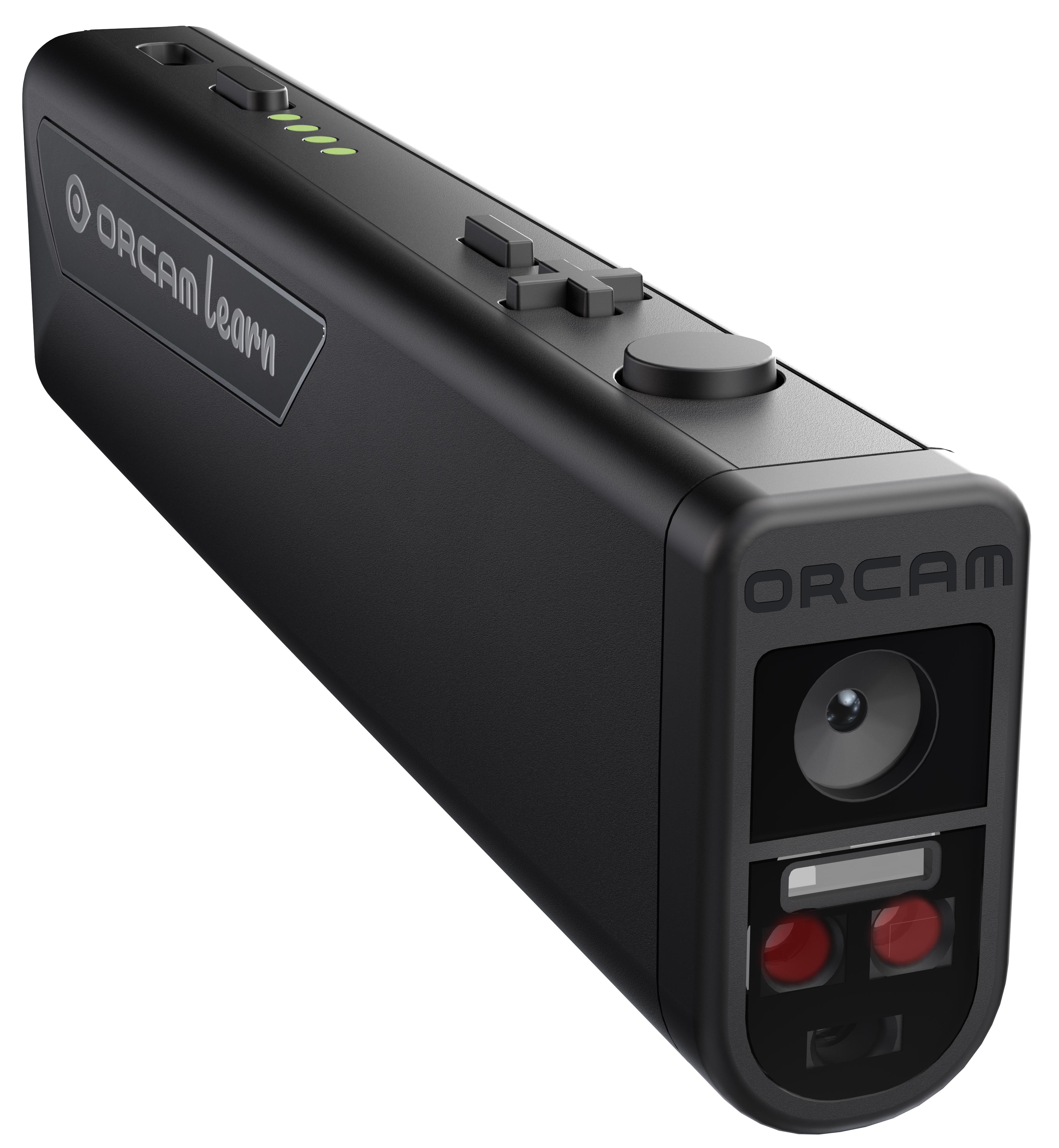
Mobile Apps for Daily Living
Just how can mobile applications improve the every day lives of aesthetically impaired individuals? Mobile applications are transforming the way visually impaired customers navigate their settings, manage everyday tasks, and accessibility information. These applications give important assistance via various functionalities, cultivating self-reliance and improving lifestyle.
Several ingenious mobile applications are made specifically for everyday living. As an example, applications like Be My Eyes attach visually damaged users with sighted volunteers by means of video clip telephone calls, enabling them to receive real-time help with jobs such as reading labels or browsing unfamiliar spaces. In A Similar Way, Seeing AI, developed by Microsoft, uses artificial knowledge to explain surroundings, checked out text, and determine objects, effectively changing a mobile phone right into a powerful device for daily support.
Additionally, navigation apps customized for the aesthetically damaged, such as Aira and BlindSquare, provide audio-based instructions and ecological information, allowing customers to traverse their environments safely and confidently. Past navigation and immediate aid, mobile apps also sustain organization and task administration, with features that help users establish reminders, produce order of business, and track appointments. In recap, mobile applications offer as vital sources, equipping visually damaged individuals to lead more independent and fulfilling lives.
Wearable Technologies for Aid
Empowerment via technology is progressively noticeable in the realm of wearable gadgets created to help aesthetically impaired individuals. These cutting-edge devices integrate perfectly right into daily life, improving navigation and giving necessary feedback to users. For example, smart glasses geared up with video cameras can review and identify faces message out loud, permitting customers to communicate even more confidently in social and professional setups.
Another significant development is the use of haptic responses systems in wearable devices. These systems utilize resonances or other responsive signals to share information about the user's environment, such as challenges or modifications in surface, improving flexibility and security. Wearable technologies additionally consist of wristbands that link to smart devices, alerting users to alerts through refined vibrations, therefore enhancing connection without reliance on visual hints.
As these technologies click to read remain to advance, they are not only improving self-reliance for visually damaged people but additionally cultivating a greater sense of inclusion in society. By linking the void between challenges dealt with in daily living and the capacity for autonomy, wearable innovations function as pivotal devices in the quest for equal rights and empowerment for those with aesthetic problems.
Audio Summary Devices
Sound description tools play a crucial duty in boosting access for visually damaged individuals, supplying them with the capacity to engage with visual media. Braille displays and notetakers. These tools provide narrated summaries of vital aesthetic aspects in movies, tv shows, and live efficiencies, ensuring that users can fully understand the context and emotions shared via visuals
Audio summary can be incorporated into various platforms, including streaming solutions, movie theater testings, and live movie theater. Lots of popular streaming services currently consist of audio description as an accessibility function, enabling customers to choose it easily. Along with conventional media, specialized apps also exist, supplying audio summaries for art exhibits, museums, and other social occasions.
The performance of audio summary trendy glasses for men hinges on the ability of the narrators, who have to convey aesthetic details succinctly without diminishing the initial audio. Developments in this field are likewise leading the means for even more tailored experiences, where individuals can adjust the level of detail and pacing according to their choices.

Braille Innovations and Instruments
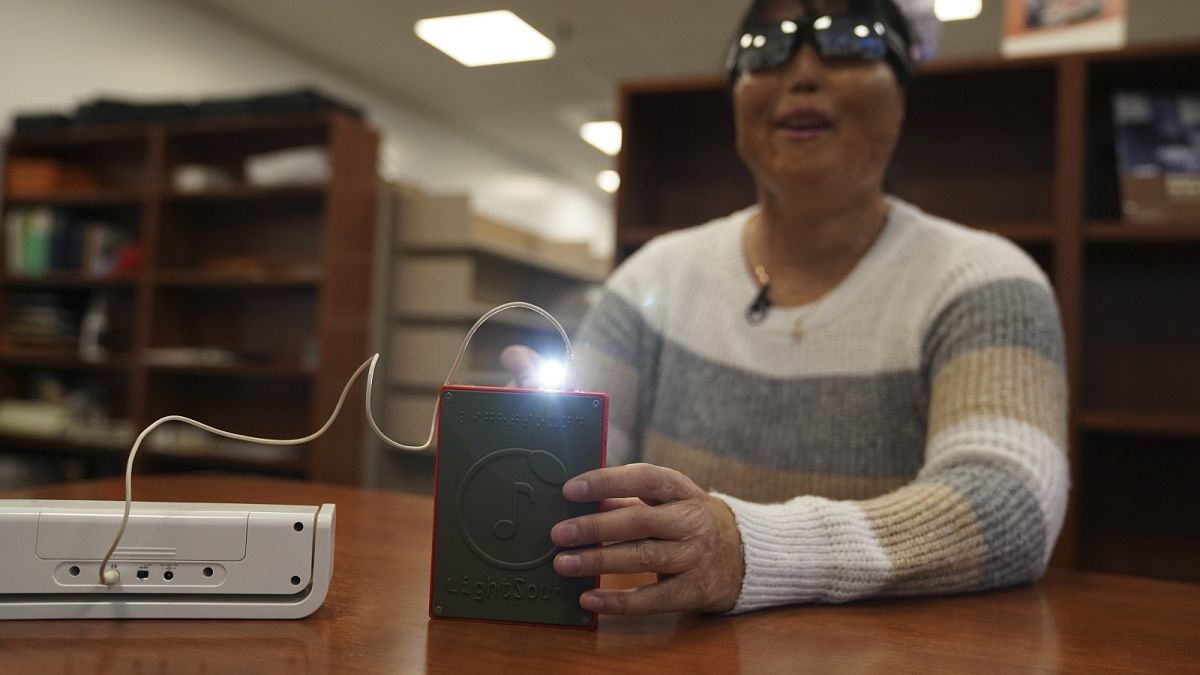
Braille devices and innovations have dramatically changed the way visually impaired individuals engage with text and information. Modern improvements have resulted in the advancement of versatile devices that improve proficiency and independence amongst individuals. Significantly, Braille display technologies have developed, enabling vibrant analysis experiences. These tools transform digital message into Braille, enabling users to access a large selection of details on computers, smart devices, and tablets.
Additionally, portable Braille notetakers incorporate standard Braille input with contemporary functionalities, promoting note-taking, scheduling, and record modifying on the move. Speech-to-text devices for low vision. These small gadgets typically feature text-to-speech capabilities, connecting the space in between Braille and acoustic information
Additionally, ingenious Braille printers have arised, enabling customers to generate Braille labels, files, and educational materials efficiently. This ease of access fosters higher engagement in educational and professional settings, eventually advertising inclusivity.
Furthermore, study right into smart Braille innovations proceeds to expand. Tools that incorporate man-made intelligence are being explored to provide real-time navigating aid and contextual details, boosting the individual experience in diverse settings. On the whole, these developments mirror a commitment to empowering aesthetically impaired people with innovation, guaranteeing they can conveniently access and involve with the globe around them.
Final Thought
The improvement of ingenious tools for the aesthetically impaired substantially improves independence and high quality of life. These innovations not only foster greater inclusion yet additionally advertise autonomy in day-to-day activities, eventually adding to a more fair and accessible society for aesthetically impaired people.
As clever glasses end up being extra cost effective and available, they hold the prospective this page to dramatically transform everyday life for visually damaged customers. Mobile applications are transforming the method aesthetically impaired customers navigate their environments, handle daily jobs, and access info. Applications like Be My Eyes connect visually impaired users with sighted volunteers by means of video phone calls, permitting them to get real-time support with jobs such as checking out labels or browsing unknown spaces.Additionally, navigation apps tailored for the aesthetically impaired, such as Aira and BlindSquare, provide audio-based instructions and ecological details, allowing individuals to traverse their environments safely and confidently.The development of innovative devices for the visually damaged considerably boosts self-reliance and top quality of life.